Gabon · Capital: Libreville · National parks & gorillas
This is not East Africa. There are no minibuses with pop-up roofs, no circuits, no queues at a crater rim. In Gabon you walk through forest behind a tracker, you sit in a pirogue on a black-water lagoon, you wait on a beach at dusk for elephants to come out of the trees. It is raw, it is wet, it is expensive — and for anyone who loves wild places, it is one of the great experiences left on earth.
Search our Network. Start here.
On 4 September 2002, at the Earth Summit in Johannesburg, President Omar Bongo announced the creation of thirteen national parks — around a tenth of Gabon's land. The decision followed years of fieldwork by scientists who walked across the country's forests. Gabon also protects a large share of its sea.
The parks are Akanda, Batéké Plateau, Birougou, Crystal Mountains (Monts de Cristal), Ivindo, Loango, Lopé, Mayumba, Minkébé, Moukalaba-Doudou, Mwagné, Pongara and Waka. Only a handful have any tourist infrastructure; several can only be reached on expeditions.
Gabon is home to a large share of Africa's remaining forest elephants, a species now listed as critically endangered. Poaching for ivory, especially in Minkébé in the north-east, cost thousands of elephants in the 2000s and 2010s. Every visitor who pays for a park permit helps make the case that living elephants are worth more than dead ones.
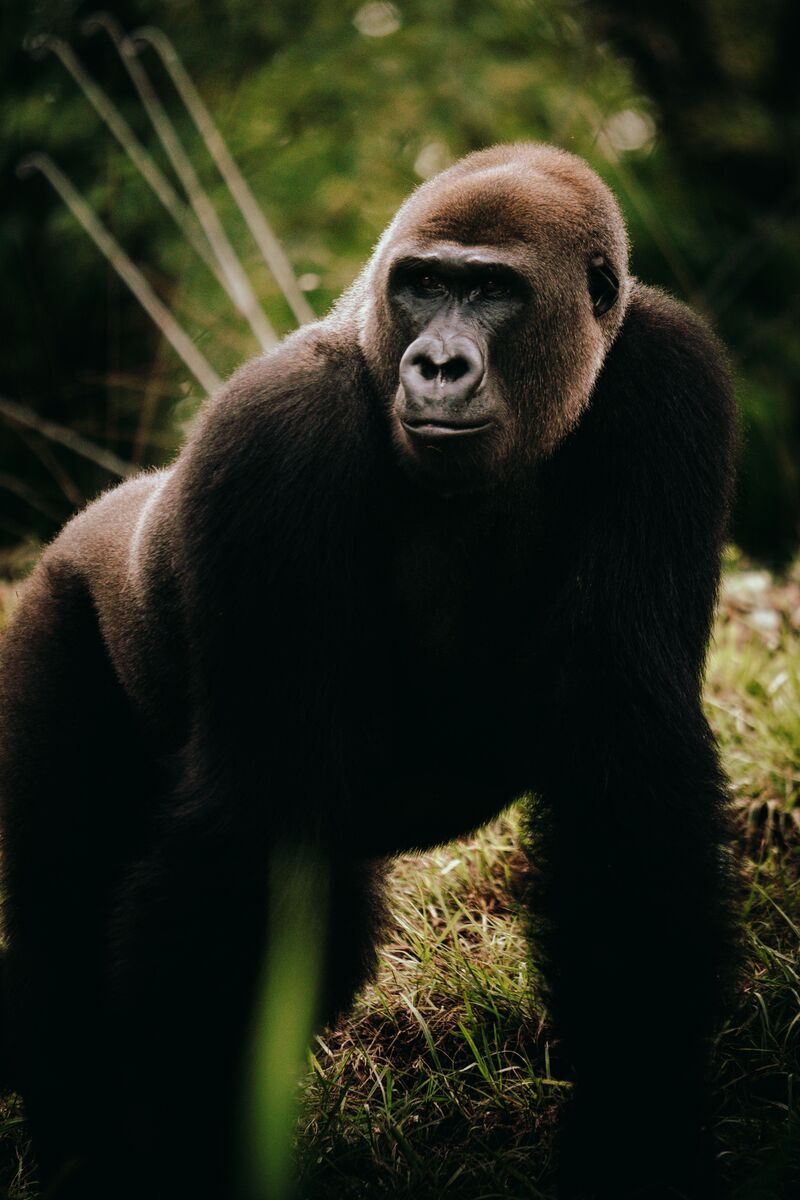
Western lowland gorillas live across Gabon's forests, but only a very few groups are habituated — used to the presence of people after years of patient work by researchers and trackers. There are two places where visitors can track them: Loango National Park, from Akaka in the south of the park, and Moukalaba-Doudou National Park, some 600 kilometres south of Libreville.
Compared with Uganda or Rwanda, the experience is wilder and the infrastructure thinner. That is the point — and the reason it costs what it costs.
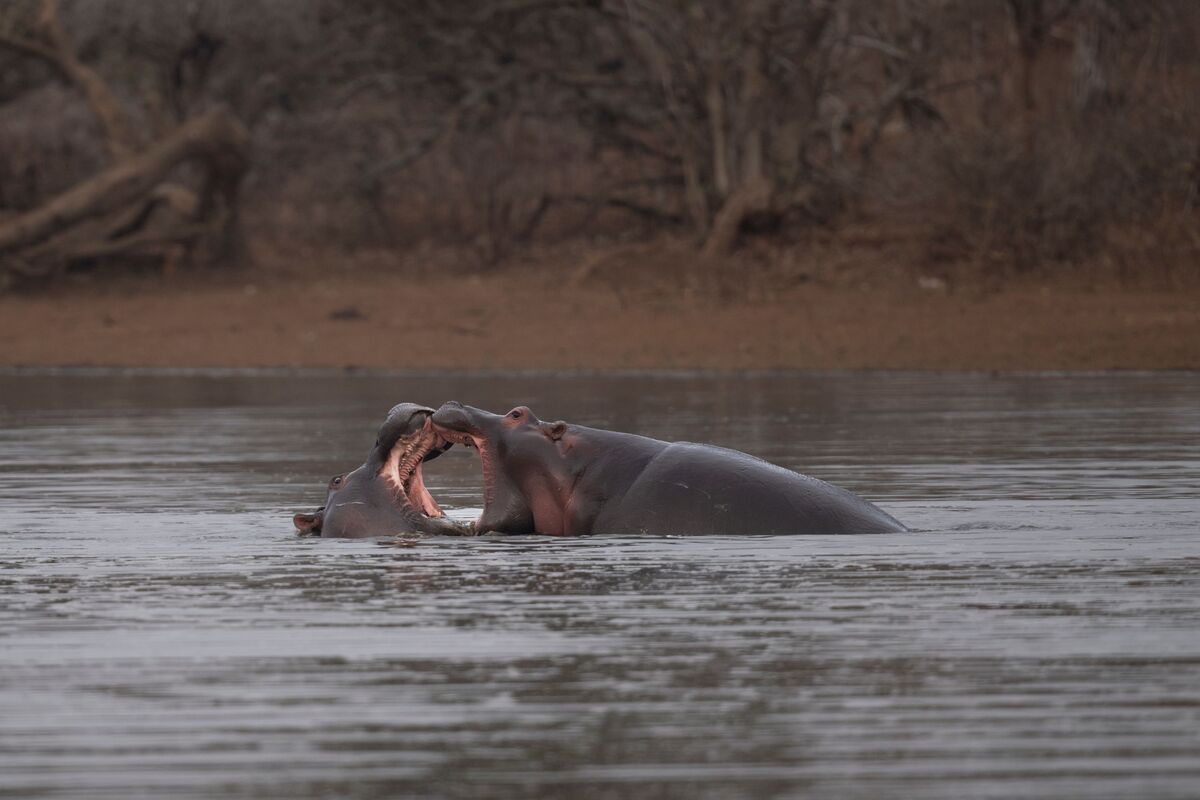
Loango is the park in the photographs: forest elephants on a white beach, buffalo in the dunes, hippos swimming in the Atlantic surf — the famous "surfing hippos", filmed here for the first time by a National Geographic team. Behind the beach lie lagoons and swamp forest, explored by boat.
In the centre of the country, Lopé mixes forest and patches of grassland — unusual in Gabon, and good for seeing animals. Its stars are the mandrills, the largest and most colourful monkeys on earth, which move through the forest in hordes that can number many hundreds. Lopé-Okanda is a UNESCO World Heritage Site for both its nature and its rock engravings.
It is also the easiest park to reach on your own: the Transgabonais railway stops at Lopé village. The train is slow and often late — but it is an adventure in itself.
Ivindo, in the north-east, is a UNESCO World Heritage Site since 2021: black-water rivers, the great Kongou and Mingouli falls, and the forest clearing of Langoué Baï, where elephants, gorillas and buffalo come to feed on minerals. Reaching it means long road and river journeys from Makokou. This is expedition territory.
Further east, on the Batéké Plateau, the landscape opens into grassland — and lions have been seen again after decades of absence.
Gabon is a premium destination, whether it wants to be or not. Domestic flights, boats, fuel and food all have to come a long way, and there are very few lodges. Specialist gorilla-and-Loango trips of six or seven days often cost several thousand dollars per person — the tours below start at above US$6,000. Cheaper independent travel is possible in Lopé and around Libreville, with patience and good French.
Two full gorilla journeys of six to seven days, from above US$6,000 per person. Not cheap — but they include what makes Gabon so hard to do alone: domestic flights, boats, lodges deep in the parks and the permits for habituated gorillas. Entrance fees and gorilla permits are included in the tour price. Tips for guides, trackers and drivers are not included, but they are welcome.
Tour links are affiliate links and open in a new tab: if you book, we may earn a small commission at no extra cost to you.
Uganda — mountain gorillas Tanzania's parks Kenya's national parks Cameroon's parks Mole National Park, Ghana Kakum National Park
Page updated . Permit prices and access change — confirm with your operator before you pay. All text © Remo Kurka.