Lambaréné, Albert Schweitzer and the Ogooué
Gabon travel blog · Capital: Libreville · Lambaréné, Moyen-Ogooué
Lambaréné, Albert Schweitzer and the Ogooué
In the wooden house on the riverbank, his piano still stands — a tropical piano with pedals built for organ practice, so he could keep playing Bach in the middle of the rainforest. Down the slope, the brown Ogooué flows past as it did in 1913. Lambaréné is where one of the most famous Europeans of the twentieth century spent half his life. It is also a place where the story is more complicated than the legend.
Search our Network. Start here.
The man
Albert Schweitzer was born in 1875 in Kaysersberg in Alsace, then part of the German Empire. By thirty he was a celebrated theologian, philosopher and organist — and then he decided to study medicine and go to Africa. On 16 April 1913 he and his wife Helene arrived at the Protestant mission of Andende in Lambaréné. He began treating patients in a chicken coop.
When the First World War broke out, the French authorities interned the Schweitzers as German citizens, and in 1917 they were sent to a camp in France. He came back in 1924 and built a new, larger hospital a few kilometres upstream. He received the Nobel Peace Prize for 1952, and he died in Lambaréné on 4 September 1965. He is buried there, by the river, beside his wife.
The hospital — then and now
Schweitzer's hospital was a village, not a clinic. Patients came with their families, who cooked, cared for them and lived in the wooden wards. There was a separate "village of light" for leprosy patients. Gabon put the old hospital on its UNESCO tentative list in 2009, but withdrew it again in 2022.
Today the Albert Schweitzer Hospital is a modern working hospital run by an international foundation with Gabonese staff, including a respected medical research centre. The old wooden buildings stand beside it as a museum.
Visiting the museum
- Schweitzer's house — his study, his bed, his books and the famous piano.
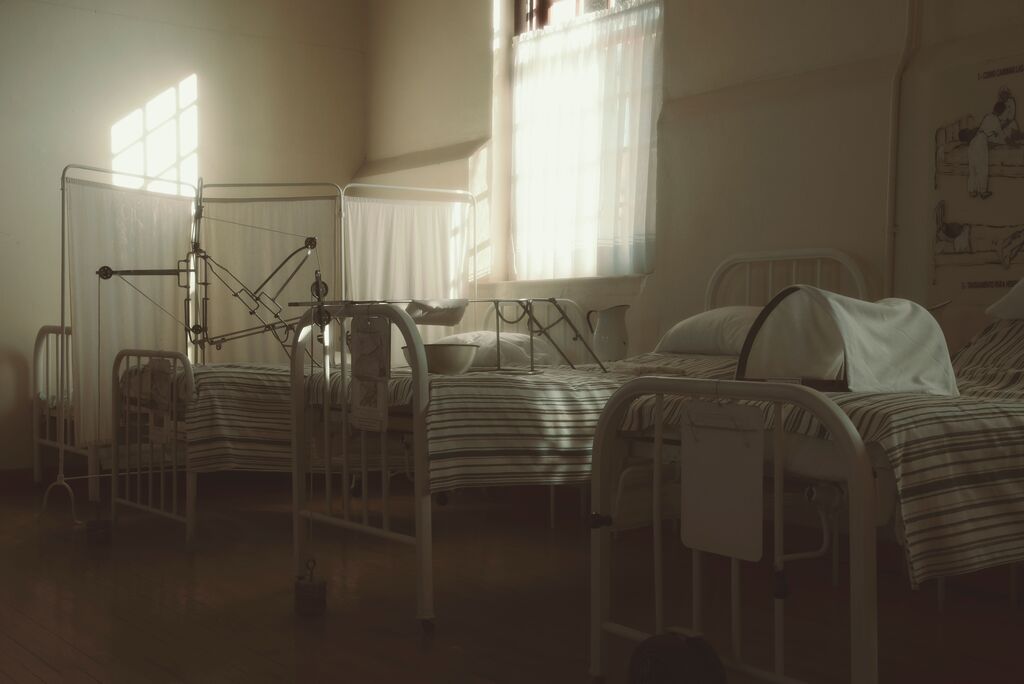
- The old operating theatre — simple, dark, with the instruments of the time.
- The pharmacy and wards — the wooden buildings he designed, raised against floods and termites.
- The graves — Albert and Helene Schweitzer, and some of their co-workers, by the river.
- Staying overnight — the hospital's guesthouse on the grounds takes visitors; it is simple, but you wake up by the river where it all began.
Guided visits are offered on site. Remember that next door is a working hospital: be quiet, and ask before taking photographs of people.
The debate
For Europeans, Schweitzer was for decades a secular saint — the "doctor of the jungle". In Gabon the view is more mixed. He was devoted to his patients, but he was also authoritarian and deeply paternalistic towards Africans, and some of his statements about them are hard to read today. His medical methods were criticised as outdated even in the 1950s, and he did little to train Gabonese doctors.
In January 2026 an international conference in Libreville asked exactly that question: what place does Albert Schweitzer deserve in the history of Gabon? It is a good question to take with you to Lambaréné. You can admire the work and still see the man as part of his colonial time.
The river lakes of the Ogooué
Lambaréné lies on islands in the Ogooué, Gabon's great river. Around the town, a maze of lakes and channels — among them Lac Zilé, Lac Evaro and the large Lac Onangué — can be explored by pirogue or motorboat. Fishing villages on stilts, papyrus, kingfishers, fish eagles and, with luck, hippos. It was on this river, on a barge passing through a herd of hippos, that Schweitzer said he first found the words "reverence for life".
Getting there
- By road: about four hours from Libreville on the N1, longer when the road is bad.
- By train and road: take the Transgabonais to Ndjolé and continue by road — about two hours.
- By river: some Loango itineraries continue from Lambaréné by boat to the coast, a full day on the water.
- Combine: Lambaréné fits naturally between Lopé and Loango on a round trip.
Tours in Gabon
Many Gabon itineraries pass through Lambaréné on the way between Lopé and Loango. Two full gorilla journeys of six to seven days, from above US$6,000 per person. Not cheap — but they include what makes Gabon so hard to do alone: domestic flights, boats, lodges deep in the parks and the permits for habituated gorillas. Entrance fees and gorilla permits are included in the tour price. Tips for guides, trackers and drivers are not included, but they are welcome.
Tour links are affiliate links and open in a new tab: if you book, we may earn a small commission at no extra cost to you.
More from the Gabon travel blog
Gorilla tracking in Loango: what it really costs The Transgabonais: the night train to Lopé Surfing hippos and beach elephants: Loango, honestly Gabon's lost virtual museum and the masks that survived Libreville in three days: museum, markets and the estuary All blog posts
Cameroon Uganda Tanzania travel blog A Museum Made of Light All African Radio Stations
Published and fact-checked . All text © Remo Kurka.