Libreville in three days: museum, markets and the estuary
Gabon travel blog · Capital: Libreville · Three days in the city
Libreville in three days: museum, markets and the estuary
Most people land in Libreville at night, sleep in an airport hotel and leave for the parks before breakfast. That is a pity. Three days are enough to understand the city — its history as a free town, its markets, its food and the wild beaches just across the water — as long as you are ready for the prices.
Search our Network. Start here.
Day 1: museum and seafront
- Morning The National Museum of Arts, Rites and Traditions: masks, instruments, a reconstructed funerary cave. Go early, ask for a guide, and give it at least two hours.
- Midday Lunch at a maquis, a simple local eatery: poulet nyembwe in palm-nut sauce with rice or bâtons de manioc.
- Afternoon Sainte-Marie Cathedral, on the site of the first Catholic mission of the 1840s, then the craft village for Mbigou stone carvings and raffia.
- Evening Walk the Bord de mer at sunset, then dinner at one of the seafront restaurants — grilled fish, cold beer, the lights of the estuary.
Day 2: markets and neighbourhoods
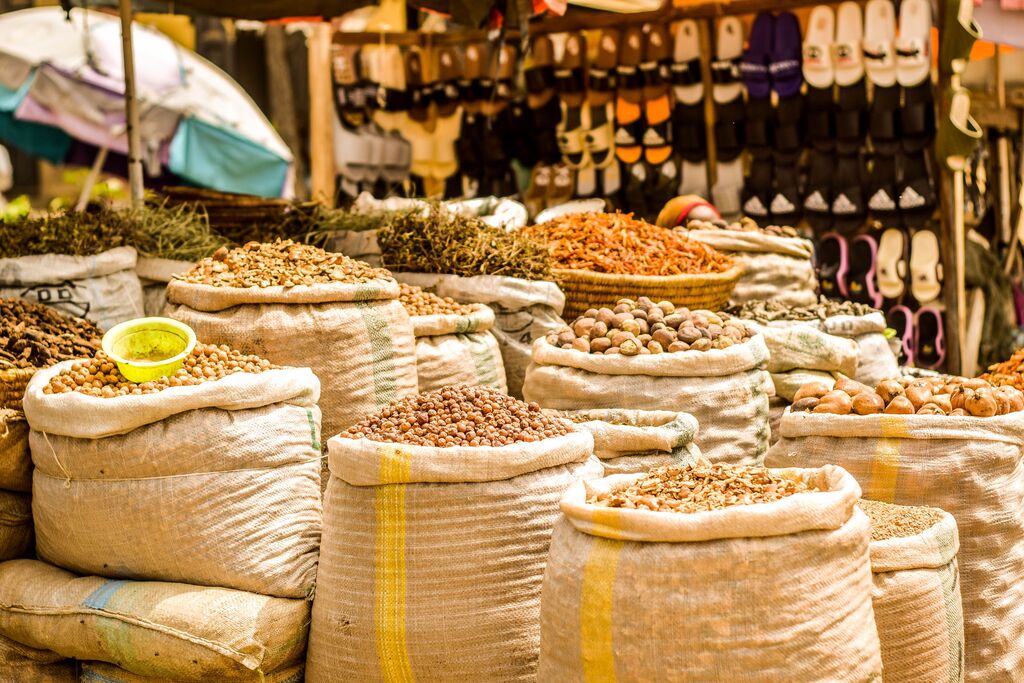
- Morning Mont-Bouët market, the biggest in the city: smoked fish, cassava, chillies, fabrics, and traders from all over Central and West Africa. Go with a local if you can, and keep your phone in your pocket.
- Late morning Saint-Michel Church in Nkembo, whose wooden columns are carved with Bible scenes by Gabonese sculptors.
- Afternoon A boat trip into the mangroves of Akanda National Park, north of the city, for birds and the quiet of the estuary.
- Evening Live music: ask at your hotel which bars have bands that night. Weekends are best.
Day 3: across the water
- Morning Boat across the estuary to Pointe-Denis — about 45 minutes. White sand, forest behind the beach, and no traffic.
- Afternoon A walk into Pongara National Park, next to Pointe-Denis: forest, mangroves and, from about November to February, nesting leatherback turtles at night.
- Evening Stay overnight at Pointe-Denis for the turtles, or take the last boat back to the city. Check the boat times before you go.
What it costs
Libreville is one of the most expensive cities in Africa for visitors — not for everything, but for the things travellers need most. Hotels and imported goods are priced like Europe; local food and shared taxis are cheap.
- Hotels: simple but clean rooms are hard to find cheaply; mid-range hotels cost European prices, and the international hotels much more.
- Shared taxis: short hops in town cost a few hundred to a couple of thousand CFA francs; fares rise at night. Agree the price first.
- Private taxi: for exclusive use, negotiate; the German Foreign Office advises stopping only empty taxis.
- Local food: a maquis meal is affordable; restaurants on the seafront are not.
- Boats: the crossing to Pointe-Denis and the hotels there are an extra budget item — ask for package prices.
Our tips
- Money: bring euros; use cash machines inside banks or hotels to avoid card skimming.
- Language: French everywhere. Even a few phrases change how people treat you.
- Photos: never photograph the presidential palace, ministries, soldiers or police.
- Swimming: not on the city beaches — currents and pollution. Save it for Pointe-Denis.
- Papers: carry a copy of your passport and visa at all times.
Tours from Libreville
Both tours start and end in Libreville. Two full gorilla journeys of six to seven days, from above US$6,000 per person. Not cheap — but they include what makes Gabon so hard to do alone: domestic flights, boats, lodges deep in the parks and the permits for habituated gorillas. Entrance fees and gorilla permits are included in the tour price. Tips for guides, trackers and drivers are not included, but they are welcome.
Tour links are affiliate links and open in a new tab: if you book, we may earn a small commission at no extra cost to you.
More from the Gabon travel blog
Gorilla tracking in Loango: what it really costs The Transgabonais: the night train to Lopé Surfing hippos and beach elephants: Loango, honestly Lambaréné, Albert Schweitzer and the Ogooué Gabon's lost virtual museum and the masks that survived All blog posts
Cameroon Uganda Tanzania travel blog A Museum Made of Light All African Radio Stations
Published and fact-checked . All text © Remo Kurka.